
backlit mirror
As a leading wholesale supplier in the precision measurement industry, Storaen (Cangzhou) International Trading Co. understands the critical role that Spline Gauge s play in ensuring manufacturing accuracy. Whether you're inspecting spline shafts for automotive, aerospace, or heavy machinery applications, adhering to Spline Gauge Standard s is non-negotiable. In this comprehensive guide, we’ll explore the importance of Spline Gauge Design , the advantages of using these tools, and how they streamline quality control in high-volume production. Understanding Spline Gauge Design for Optimal Performance The foundation of an effective Spline Gauge lies in its Spline Gauge Design . A well-engineered gauge ensures precise measurement of spline shaft dimensions, including outer diameter, slot width, and slot depth. The Spline Ring Gauge, for instance, is a specialized tool used to verify these parameters quickly and accurately. There are two primary types of ring gauges: stop gauges and through gauges. Stop gauges determine the maximum allowable dimensions of a spline shaft, ensuring it does not exceed specified tolerances. Through gauges, on the other hand, confirm whether a spline shaft can pass through, verifying its fit within acceptable limits. Advantages of Using Spline Ring Gauges: Advantage Description High Accuracy Ensures minimal tolerances, reducing defects and improving product quality. Efficiency in Inspection Provides immediate results, speeding up the quality control process. Measurement Consistency Standardizes production, reducing variability from manual measurements. Reliable Quality Assurance Quickly identifies deviations, allowing for prompt corrective actions. By integrating these gauges into your workflow, manufacturers can enhance precision while maintaining efficiency—a crucial factor for industries where tight tolerances are mandatory. Why Spline Gauge Standard Compliance Matters Adhering to Spline Gauge Standard s is essential for maintaining uniformity across manufacturing processes. These standards ensure that every Spline Gauge meets industry-specific requirements, guaranteeing compatibility and interchangeability of parts. For wholesale buyers, sourcing gauges that comply with recognized Spline Gauge Standard s means fewer production delays and higher customer satisfaction. Storaen (Cangzhou) International Trading Co. provides gauges that align with global specifications, ensuring seamless integration into your quality control systems. Key Applications of Spline Gauge s in Industrial Sectors Spline Gauge s are indispensable in industries where precision is critical. Some of the most common applications include: Automotive Manufacturing: Ensuring gear shafts and transmission components meet exact specifications. Aerospace Engineering: Verifying the integrity of high-stress spline connections. Heavy Machinery: Maintaining the durability and performance of large-scale mechanical systems. By investing in high-quality Spline Gauge s , manufacturers can avoid costly reworks and ensure long-term reliability in their products. Choosing the Right Spline Gauge for Your Needs Selecting the appropriate Spline Gauge depends on several factors, including the type of spline shaft, required tolerances, and industry standards. Storaen (Cangzhou) International Trading Co. offers a wide range of gauges designed for various applications, ensuring you find the perfect fit for your manufacturing needs. FAQ S a bout Spline Gauge What is the primary function of a spline ring gauge in spline gauge applications? The Spline Ring Gauge serves as a precision inspection tool that verifies critical spline shaft dimensions—including outer diameter, slot width, and depth—against Spline Gauge Standard s . By assessing whether components meet exact tolerances, it ensures proper fit and function in mechanical assemblies. This essential Spline Gauge Design element guarantees manufacturing consistency while preventing costly errors in high-precision industries. How do stop gauges and through gauges differ in spline gauge applications? Stop gauges verify the maximum permissible dimensions of a spline shaft under Spline Gauge Standard s , preventing oversizing. Through gauges test if the shaft fits within the minimum required clearance, ensuring proper assembly. Both types follow strict Spline Gauge Design principles to maintain measurement accuracy in manufacturing quality control processes. Why is spline gauge standard compliance important? Compliance with Spline Gauge Standard s ensures consistency, reliability, and interchangeability of parts across different manufacturers. It reduces errors and enhances quality control in high-precision industries. Which industries benefit most from spline gauge s? Industries such as automotive, aerospace, and heavy machinery rely heavily on Spline Gauge s to maintain precision in gear and shaft manufacturing, where even minor deviations can lead to significant performance issues. How does spline gauge design impact measurement accuracy? A well-optimized Spline Gauge Design ensures tight tolerances and repeatable measurements, minimizing human error and improving overall production efficiency. Proper design also extends the tool’s lifespan, providing long-term cost savings. In today’s competitive manufacturing landscape, maintaining exacting standards is non-negotiable. By integrating properly designed Spline Gauge s into your quality control process, you ensure every component meets rigorous specifications. Storaen (Cangzhou) International Trading Co. provides industry-leading inspection tools that align with global Spline Gauge Standard s , giving you the confidence that your products will perform flawlessly. Whether verifying shaft dimensions or confirming assembly tolerances, the right Spline Gauge Design makes all the difference in efficiency and reliability. Don't leave precision to chance - equip your operation with gauges that deliver consistent, trustworthy results every time.
about
backlit mirror
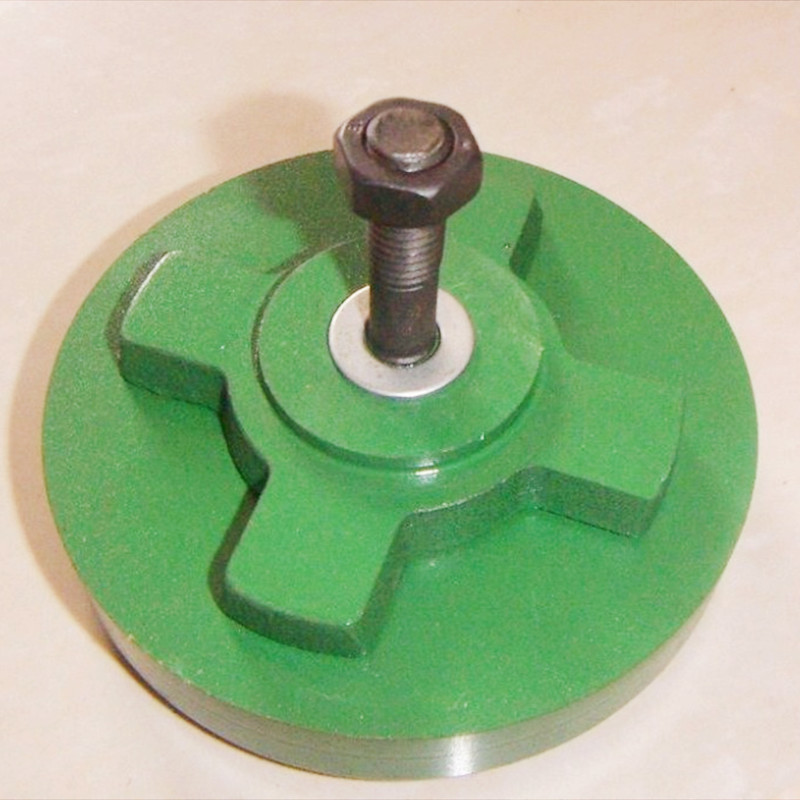
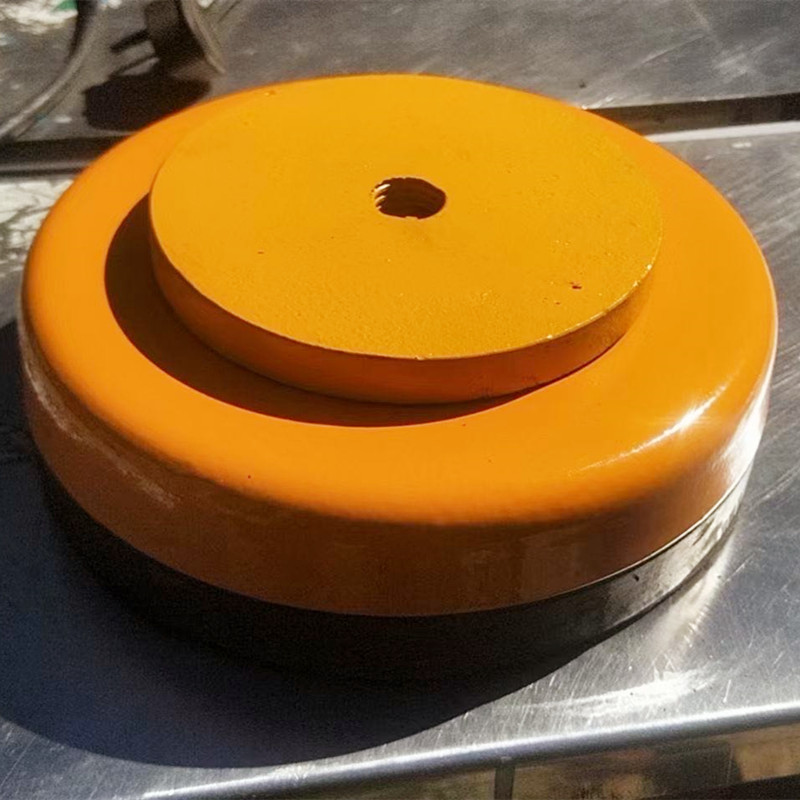
The Importance of Vibration Pads in Modern Applications In today's fast-paced industrial environment, the use of vibration pads is becoming increasingly crucial. These simple yet effective materials play a significant role in mitigating the adverse effects of vibrations, which can lead to equipment damage, discomfort, and noise pollution. Vibration pads, often made from rubber, foam, or other resilient materials, are designed to absorb and dampen vibrations produced by machinery and equipment. They serve several key purposes across various industries, including manufacturing, construction, and even in residential settings. When machinery operates, it generates vibrations that can travel through the structure, potentially causing wear and tear over time. By placing vibration pads under equipment, businesses can significantly reduce the transmission of these vibrations, extending the life of the machinery and minimizing maintenance costs. Moreover, the use of vibration pads can enhance workplace safety and comfort. In industrial settings, excessive vibrations can create hazardous conditions for workers. By incorporating vibration isolation solutions, companies can help reduce the risk of injury and create a more pleasant working environment . In residential applications, such as using vibration pads under washing machines or treadmills, homeowners can enjoy a quieter space while protecting their flooring from damage. vibration pads Additionally, vibration pads can contribute to better performance and efficiency. When equipment operates without the interference of excessive vibrations, it tends to function more effectively, leading to improved productivity. This is particularly important in sectors where precision is paramount, such as the medical or aerospace industries, where devices must operate flawlessly to ensure safety and efficacy. Another significant advantage of vibration pads is their environmental impact. Reduced vibrations mean less wear on machinery, ultimately leading to lower energy consumption and fewer repairs. This contributes to a more sustainable approach to manufacturing and operations, aligning with modern environmental goals. In conclusion, vibration pads are essential tools in managing vibrations across various applications. Their ability to protect equipment, enhance safety, improve efficiency, and promote sustainability makes them invaluable in today’s industrial landscape. Investing in high-quality vibration pads can yield significant long-term benefits, ensuring that both industries and households alike thrive in a more vibration-free environment.
-

High quality industrial productsagement

High quality industrial products
View Details -

Meet the diverse needs of customers

Meet the diverse needs of customers
View Details -

Strict quality control

Strict quality control
View Details -

Top raw materials

Top raw materials
View Details -

Trusted supplier

Trusted supplier
View Details
Our application

news and information
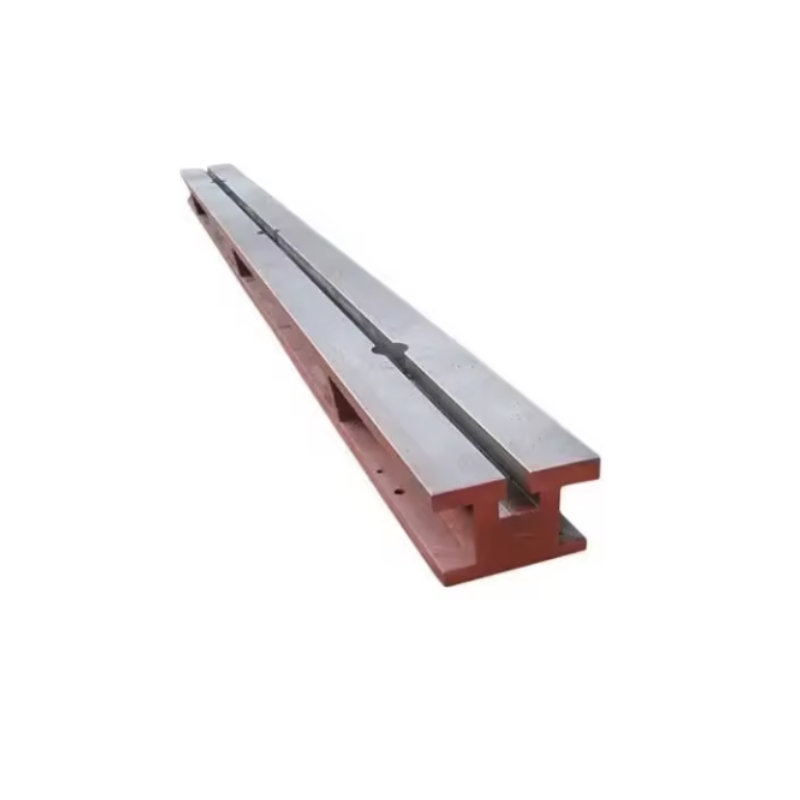
Valvola a sfera bilanciata per un controllo ottimale del flusso nei sistemi idraulici
Valvole a Globo Bilanciate Funzionamento e Vantaggi Le valvole a globo bilanciate rappresentano un e
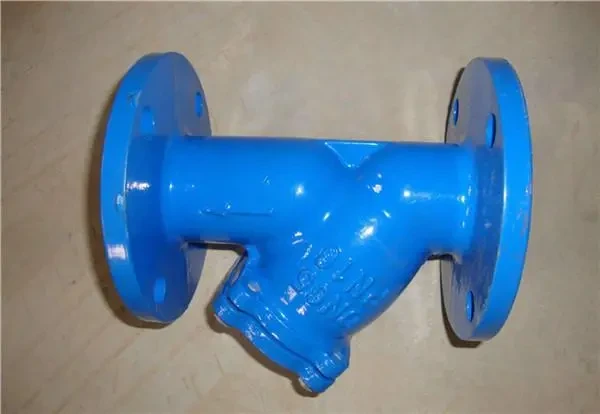
Wholesale Opportunities for Quality Ball Valves at Competitive Prices
ball valves wholesale .
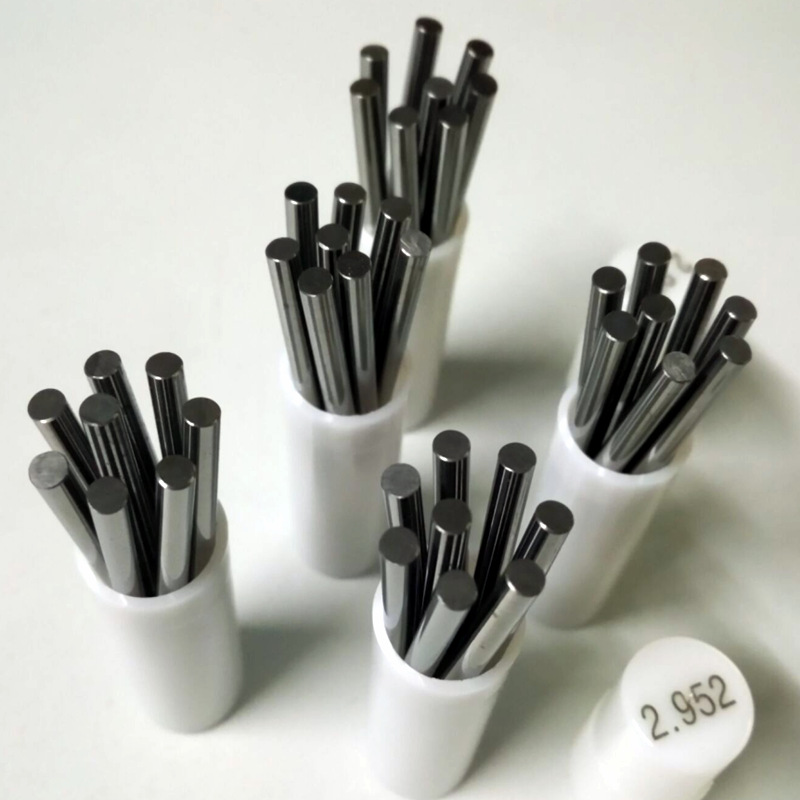
Water Valve Types And Their Delivery Times
Water valves play a crucial role in managing water flow within your home or industrial system. Wheth
 English